
Also check out:
VIN Etching or Spray Painting Your Catalytic Converter vs. Installing a Catalytic Converter Shield: Which Actually Protects Your Vehicle? How to Keep Yourself Protected from Theft
Do catalytic converter shields work to protect your vehicle from costly theft and damage? With a surge in catalytic converter thefts costing thousands in repairs, many vehicle owners wonder whether installing a shield offers a real defense. This comprehensive guide dives deeply into the effectiveness of catalytic converter shields, drawing from expert opinions, user reviews, and field tests. Whether you’re concerned about preventing metal theft or safeguarding your converter from environmental damage, understanding how these shields perform in real-world conditions will help you make a smart investment. Read on to learn what these protective devices can and can’t do, and how to best secure your vehicle’s catalytic converter.
Do Catalytic Converter Shields Work? Understanding Their Purpose and Effectiveness
What Are Catalytic Converter Shields?
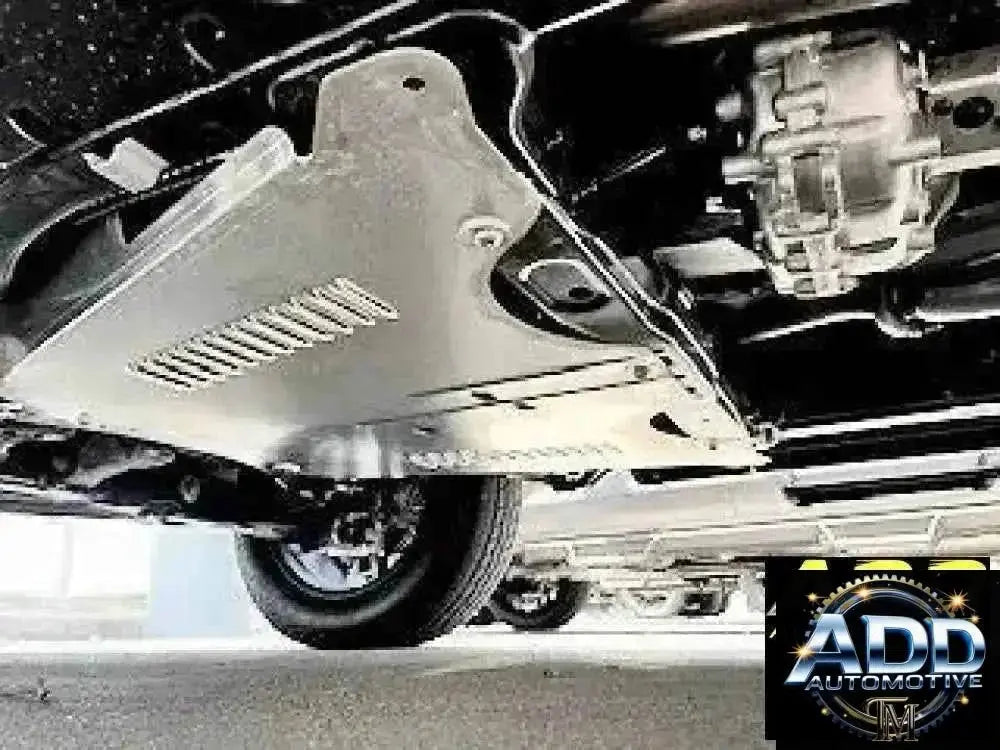
Catalytic converter shields are physical barriers designed to encase or cover the catalytic converter, making it harder for thieves to access or damage the component. They are typically made from durable metals such as steel or aluminum and are custom-fit or universal to accommodate various vehicle models. The core idea is to prevent quick and easy cuts that would allow a thief to steal the precious metals inside the converter.
Effectiveness Against Theft and Damage
When asking “do catalytic converter shields work,” it’s important to differentiate between theft deterrence and damage prevention. Well-constructed shields add a layer of physical difficulty that can prolong or entirely prevent theft attempts. This delay is critical because thieves usually have limited time and tools and prefer easy targets.
On the damage prevention front, shields can protect converters from road debris, salt corrosion, and accidental impact with objects. However, not all shields offer equal protection; the material thickness, attachment method, and heat tolerance matter greatly.
Real-World Performance and User Experiences
User Reviews: What Are Vehicle Owners Saying?
Many vehicle owners report that catalytic converter shields have successfully thwarted theft attempts or made their converters less attractive targets. Online reviews often highlight that even visible deterrents can discourage thieves who rely on quick strikes.
- Delay in theft attempts due to difficult access
- Visible shields serve as a psychological deterrent
- Shields helping reduce environmental wear and tear on converters
However, some users mention limitations, such as shields that can be cut through with persistent effort or tools, especially if the shield’s material is too thin or poorly attached.
Expert Opinions: Industry Insights on Shield Effectiveness
Automotive experts generally agree that shields can be an important part of a multi-layered security approach but are rarely foolproof on their own. Professionals often recommend pairing physical shields with alarms or enhanced locking mechanisms to maximize protection.
Additionally, experts caution that improperly installed shields may interfere with vehicle exhaust heat dissipation or sensors, so professional fitting is advised.
Types of Catalytic Converter Shields and How They Work
Physical Barrier Shields
Physical barrier shields involve heavy-duty steel plates or cages tightly wrapped or bolted around the converter. Their goal is to prevent saw blades or cutting tools from easily penetrating. Some models use layered ultra-hardened steel or braided cables integrated into the shield for increased cutting resistance.
Alarm-Integrated Shields
Some shields come paired with electronic alarms that detect vibration or motion, activating loud sirens to scare away thieves. This combination offers immediate alerting in addition to physical defense.
Installation and Practical Considerations
DIY vs Professional Installation
While some catalytic converter shields are marketed as DIY-friendly, professional installation is often recommended to ensure secure fitment, avoid damage to the exhaust system, and maintain proper exhaust flow. Poor installation can reduce the shield's effectiveness or cause vehicle complications.
Compatibility and Fit
Since vehicle designs vary widely, selecting the right shield is critical. Universal shields provide flexibility, but custom-fit shields ensure more comprehensive coverage and less risk of gaps a thief could exploit. Measuring your exhaust pipe diameter and clearance is essential before purchase.
Pros and Cons of Using Catalytic Converter Shields
Advantages
- Acts as a strong physical deterrent to thieves
- Protects catalytic converters from environmental damage
- Often visually signals security presence, discouraging theft
- Can be combined with alarms for enhanced theft prevention
Limitations
- No shield guarantees 100% theft prevention against determined criminals
- Some designs may interfere with exhaust system components if poorly fitted
- Installation complexity and cost considerations
- Thieves with advanced tools may still breach less robust shields
Best Practices to Maximize Catalytic Converter Protection
Combine Physical Shields with Alarm Systems
The most effective protection combines robust physical barriers with loud alarms that activate on tampering or vibrations. This combination increases the risk and difficulty for thieves, pushing them toward easier targets.
Other Preventive Steps
- Park in well-lit, secure areas or garages
- Engage vehicle immobilizers or security cameras where possible
- Consider etching your vehicle’s VIN on the catalytic converter for identification
- Regularly inspect the shield and mounting hardware for tampering signs
Summary: Are Catalytic Converter Shields Worth It?
So, do catalytic converter shields work? In short, yes—when chosen wisely and installed properly, catalytic converter shields serve as a valuable deterrent against theft and can protect your vehicle from damage. They increase theft difficulty and provide peace of mind by physically shielding the precious metals that make these components targets. Combining shields with alarm systems and preventive security measures amplifies their effectiveness. If you want to reduce your risk and avoid costly repairs, exploring quality catalytic converter shields is a smart step. To protect your vehicle fully, consider your vehicle type, environment, and theft risk when selecting the best protective solution.
Learn more about the various options available, including advanced shields and alarm systems, to make the right choice for your vehicle’s catalytic converter protection.